Cichy spadek umiejętności w grach: wyjaśnienie oparte o dane z Coachingu UltimateMove.
Cichy spadek umiejętności graczy e-sportowych: Czyli jak wygląda przyszłość tej branży gier
TLDR:
Twoja ranga nie rośnie przez „Pętlę Dopaminową”, a nie słaby sprzęt.
Z naszych danych wynika, że 70% graczy nie pamięta swoich błędów po meczu.
Rozwiązanie: Musisz zmienić sposób treningu, a nie tylko grać więcej. Czytaj dalej, żeby dowiedzieć się jak.
Branża gier osiągnęła szczyt technologiczny. Gracze nie.
W ciągu ostatniej dekady jakość sprzętu do gier znacznie wzrosła. Monitory o częstotliwości odświeżania powyżej 240 Hz, panele OLED, ultraprecyzyjne myszki, trenażery celowania, analityka oparta na sztucznej inteligencji – wszystko wskazuje na to, że gracze powinni być najlepsi w historii.
Jednak dane z sesji coachingowych, drużyn e-sportowych, rankingów i analiz wyników pokazują zupełnie inny obraz sytuacji:
👉 Ogólna wydajność graczy uległa stagnacji. W niektórych obszarach nastąpił nawet jej spadek.
Nie tylko aim w większości przypadków (na szczęście istnieje community aimerskie). (BTW 50% zniżki na pierwszy miesiąc korzystania z Aimlabs+ z kodem: UltimateMove50).
Ale też:
- game sense,
- teamwork,
- komunikacja,
- dyscyplina,
- consistent poziom,
- długotrwała wizja rozwoju
Jak do tego doszło?
Aby zrozumieć ten spadek, musimy przyjrzeć się czterem głównym trendom kształtującym współczesną branżę gier.
1. Natychmiastowa gratyfikacja zastąpiła proces uczenia się
Psychologowie nazywają to pętlą dominacji dopaminy:
➡️ grasz, ➡️ otrzymujesz dopamine w postaci małej dawki wrażeń, ➡️ ponownie wbijasz do queue, ➡️ ale nie zastanawiasz się, nie analizujesz ani nie dostosowujesz się.
Po przeanalizowaniu ponad 30 początkowych sesji w UltimateMove stwierdziliśmy, że ponad 70% graczy nie potrafiło przypomnieć sobie ani jednego konkretnego błędu, który popełnili podczas ostatniego meczu.
Pamiętają wynik gry, a nie proces.
To jest kluczowy problem.
Pokolenie graczy jest przyzwyczajone do oczekiwania postępu bez wysiłku, który historycznie go tworzył:
- przeglądu demek,
- zrozumienia map,
- nauczenia się timingów,
- Intencji komunikacyjnej,
- analizowania błędów.
Współczesne gry przeszły od mistrzostwa → do fast foodu.
*Każda wzmianka jest częścią naszych usług – Coachingowych
BIOS, pamięć, sieć i input przechodzimy razem na Twoim ekranie. Pomiar przed i po robimy w Twoich grach, więc różnicę widzisz sam, zanim się rozłączymy.
2. Narzędzia są lepsze niż kiedykolwiek – ale są niewłaściwie wykorzystywane
Aim trainery, narzędzia do przeglądania VOD, overlaye analityczne – wszystkie te zasoby są super.
Ale pomijamy jedną ważną rzecz:
Gracze często mylą „korzystanie z narzędzi” z „rzeczywistym treningiem”.
40 minut ćwiczeń aimowania pozwala rozwinąć mechanikę. Nie pozwala jednak rozwinąć:
- podejmowania decyzji,
- pozycjonowania,
- timingu,
- przetwarzania informacji,
- adaptacyjnego myślenia,
- opanowania w stresie.
Wśród analizowanych graczy najsilniejszym czynnikiem prognostycznym poprawy nie była precyzja celowania, ale skuteczność podejmowania decyzji: szybkość interpretacji, podejmowania decyzji i działania.
A jednak prawie żaden młody zawodnik tego nie trenuje.
Podwajają stawkę na mechanikę, ponieważ mechanika daje poczucie satysfakcji.
Myślenie nie.
To tworzy iluzję postępu – szybka poprawa na początku, a potem całkowity zastój.
3. Gry rozwijają się szybciej niż gracze są w stanie się dostosować.
Twórcy znacznie zwiększyli produkcję treści:
- krótsze sezony,
- więcej agentów/bohaterów,
- ciągłe zmiany mety,
- więcej umiejętności,
- wyższe pułapy mechaniczne,
- skrócono przestoje rankingowe,
- nowe systemy co kilka tygodni.
Dzięki temu gry pozostają ekscytujące.
Ale jest też efekt uboczny:
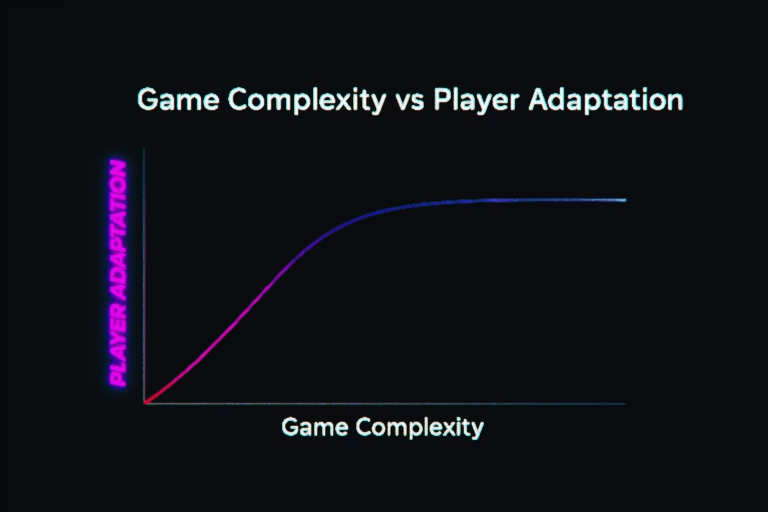
Gra ewoluuje z każdym miesiącem. Gracz ewoluuje z każdym rokiem.
Różnica się powiększa.
W przeszłości gracze mieli lata na opanowanie meta. Dzisiaj mają na to zaledwie kilka tygodni.
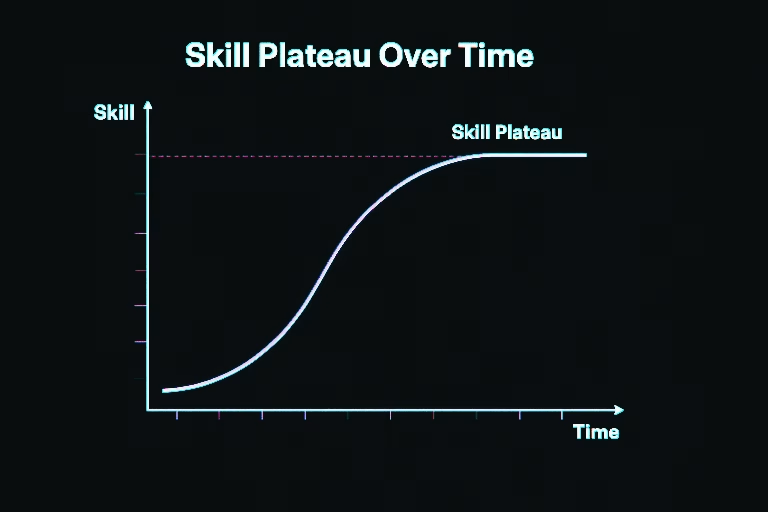
Długoterminowe nabywanie umiejętności nie ma szans na stabilizację.
Gracze czują się przytłoczeni → stają się niecierpliwi → sfrustrowani.
Złożoność gier rośnie szybciej niż zdolności adaptacyjne ludzkiego umysłu.
4. Zanik rozwoju w Community
Ponad dziesięć lat temu nauka miała charakter społeczny:
- scrimy drużynowe,
- dyskusje na forach,
- systemy klanowe,
- nikt nie siedział na utkanej,
- lepsi często dzielili się wiedzą,
- powtórki tworzyły nowe taktyki.
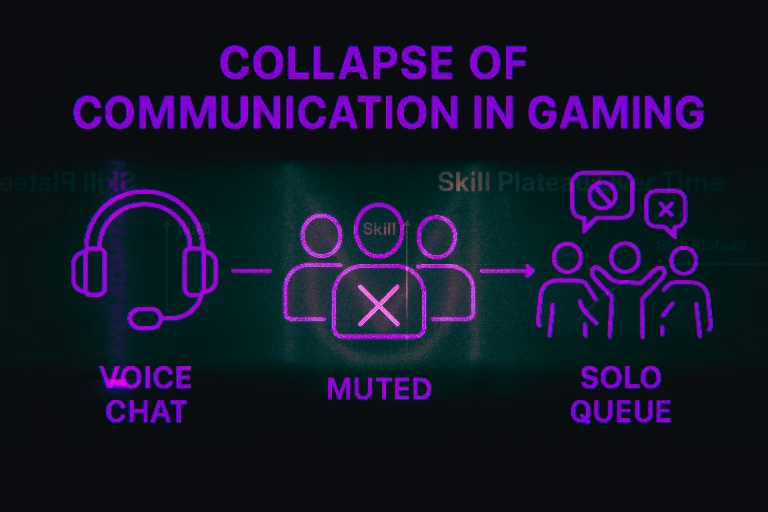
Obecnie 80% graczy grających w trybie solo (chyba że chcą się kłócić XD) w ogóle nie korzysta z czatu głosowego.
Gracze nie uczą się poprzez grę – oni marnuja w niej czas i nerwy.
To eliminuje czynnik nr 1 przyspieszający rozwój umiejętności:
interaktywna informacja zwrotna
Nie można rozwijać umiejętności pracy zespołowej w izolacji:
- roli tradowania
- crossfire’u
- macro strategii,
- adaptacji do team mate’ów,
- koordynacji,
- kontroli tempa.
Kolejka solo przedkłada indywidualny komfort nad zbiorowe mistrzostwo.
Tworzymy silnych graczy indywidualnych, ale słabych graczy zespołowych.
A e-sport to ekosystem zespołowy.
Dlaczego ma to znaczenie dla Przyszłości Gier
Jeśli różnica między złożonością gry a rozwojem gracza będzie się nadal powiększać, możliwe jest kilka scenariuszy:
- większa frustracja → mniejsza retencja,
- większa toksyczność → gorsze warunki środowiskowe,
- mniej graczy o wysokich umiejętnościach → mniej konkurencyjna scena,
- mniejsza liczba grających na „poważnie”,
- deweloperzy zmuszeni do upraszczania gier,
- gracze średniego poziomu, którzy utknęli w punkcie.
Nie jest to kwestia sprzętu. Jest to kwestia rozwoju ludzkiego.
I jak każda kwestia związana z rozwojem człowieka – wymaga struktury.
Jak więc to naprawić? (Praktyczny schemat działania)
Poniżej znajduje się dokładna struktura, którą stosujemy w UltimateMove, ta sama, która konsekwentnie otwiera graczom drogę do przełomowych osiągnięć.
1. Zastąp przypadkowość przemyślanymi rutynami.
Co najmniej 10 minut ukierunkowanej analizy > 2 godziny losowego grindu.
2. Ucz się podejmowania decyzji przed mechaniką
Umiarkowanie celny gracz, który podejmuje doskonałe decyzje, osiąga lepsze wyniki niż gracz z doskonałą celnością, ale bez struktury.
3. Buduj mikro-nawyki
Małe, powtarzalne i przewidywalne działania są lepsze niż motywacja oparta na szumie medialnym.
4. Ćwicz kontrolę emocji
Gracze, którzy potrafią zachować spokój pod presją, rozwijają się 4–5 razy szybciej.
5. Wprowadź ponownie prawdziwy coaching
Nie chodzi o hype. Nie chodzi o podbudowywanie ego. Nie chodzi o „graj więcej, a będziesz lepszy”.
Ale uporządkowany, mierzalny rozwój umiejętności:
- systemy oceny,
- strategiczne frameworki,
- jasność intencji,
- feedback loop,
- odporność mentalna.
Granie jest dojrzewaniem.
A coaching staje się nie tylko zaletą, ale wręcz wymogiem.
Misja UltimateMove
Stworzyłem UltimateMove, aby rozwiązać właśnie ten problem:
Aby przywrócić graczom podstawy, które kiedyś decydowały o wielkości:
- pasje,
- proces,
- discypline,
- community,
- ogień do rozwoju.
Nie po to, aby sprzedawać iluzję. Nie po to, aby podbudowywać ego. Ale po to, aby przywrócić prawdziwe nabywanie umiejętności w świecie zdominowanym przez skróty.
Jeśli zauważyłeś spadek jakości graczy – to nie są tylko Twoje wyobrażenia.
To się dzieje.
Jedynym sposobem, aby to zmienić, jest otwarta rozmowa na ten temat, dogłębne zrozumienie problemu i przebudowa mentalnych ram rozwoju graczy.
Chciałbym znać Twoją opinię czy:
Uważasz, że przeciętny gracz jest dziś silniejszy czy słabszy niż przed laty i dlaczego?
Dziękuję za przeczytanie i mam nadzieję, że dobrze się bawiłeś/aś! 😀
Nasze darmowe narzędzia
Zbudowane in house. Bez konta, bez limitu.
 Ultimate Demo Analyzer
Wrzucasz demo z CS2, dostajesz rozpisane błędy i statystyki rundy.
Za darmo, bez konta Deadlock Replay Analyzer
To samo dla Deadlocka: analiza powtórki i plan na kolejne mecze.
Za darmo, bez konta Konwerter czułości
Przenosisz cm/360 między grami bez gubienia pamięci mięśniowej.
Za darmo, bez konta Trener celności
Trzydzieści sekund, trzy poziomy. Bez instalacji i bez konta.
Za darmo, bez konta