Pojęcia UltimateMove: Słownictwo gier i optymalizacji dla e-sportu 2026
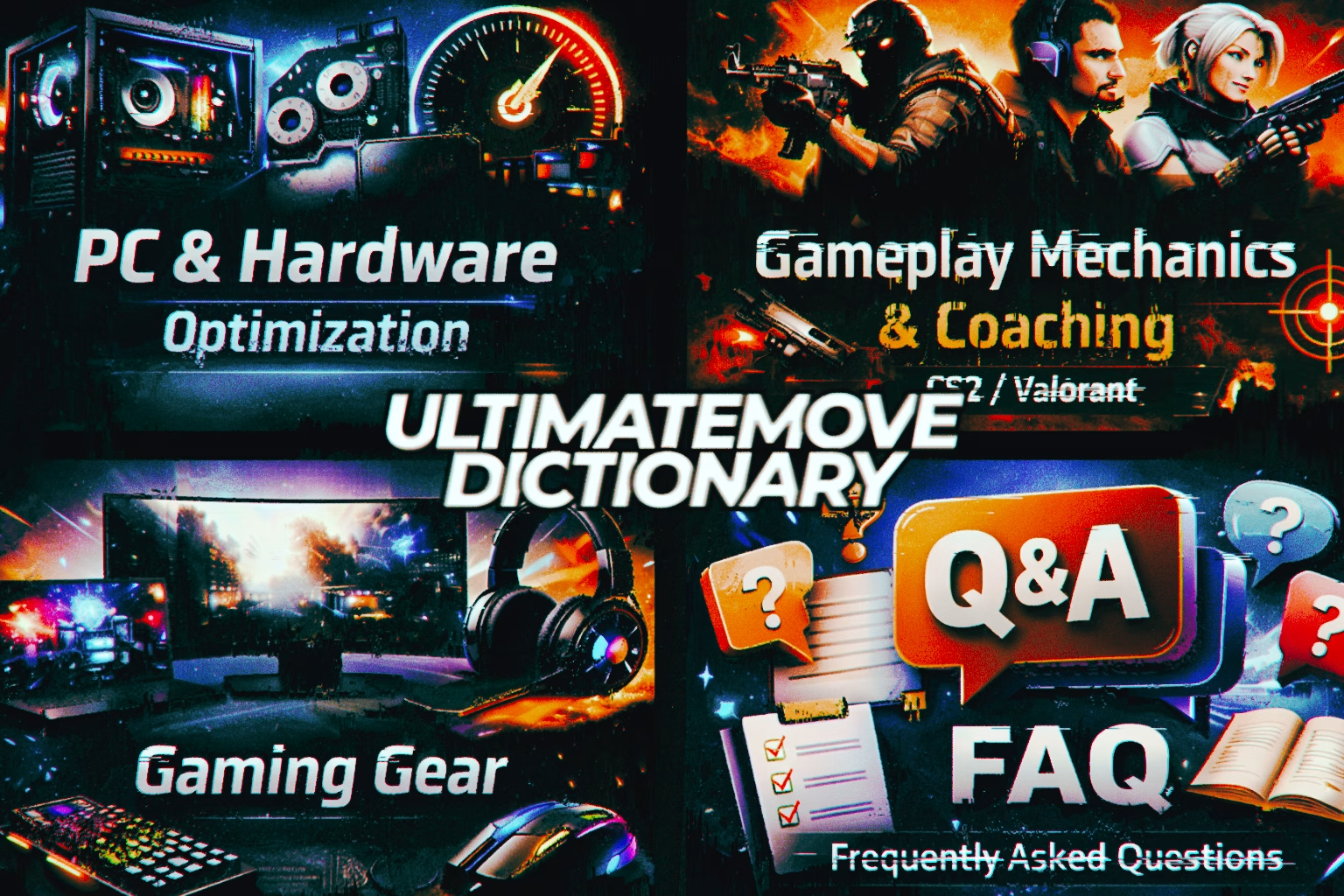
W świecie gamingu krąży masa mitów. „Wyczyść dysk, będziesz miał więcej FPS” – to bzdura. Aby wejść na jakiś poziom, musisz rozumieć, jak działa Twój sprzęt i mechanika gry.
Ten słownik powstał po to, abyś przestał błądzić w marketingu producentów sprzętu, bądź content creatorów którzy farmią wyświetlenia i zaczął rozumieć fakty techniczne. Oto kompletny przewodnik po terminologii używanej w UltimateMove, podczas coachingu oraz w profesjonalnym e-sporcie.
1. Dlaczego musisz znać te pojęcia?
2. Optymalizacja PC & Hardware (To, co robimy najlepiej)
W tej sekcji znajdziesz terminy techniczne, które decydują o płynności Twojej rozgrywki. To tutaj walczymy o każdy milisekundę przewagi.
FPS (Frames Per Second)
Liczba klatek obrazu wyświetlanych w ciągu sekundy.
Mit: „Ludzkie oko widzi tylko 60 FPS”.
Fakt: W grach rywalizacyjnych (CS2, Valorant) więcej FPS oznacza mniejsze opóźnienia sterowania, nawet jeśli masz monitor 60Hz.
1% Low FPS (Najważniejszy parametr)
Średnia z najgorszego 1% klatek. To ten parametr, a nie „średni FPS”, decyduje o tym, czy czujesz ścinki (stuttering).
Przykład: Możesz mieć średnio 400 FPS, ale 1% Low na poziomie 60 FPS – gra będzie wtedy szarpać. W UltimateMove walczymy o to, by 1% Low był jak najwyższy i stabilny.
Input Lag (Opóźnienie wejścia)
Czas, jaki mija od kliknięcia do reakcji na ekranie.
Jest sumą opóźnień: myszki + systemu (Windows) + gry + monitora.
Nasza optymalizacja drastycznie redukuje systemowy Input Lag, co daje uczucie, że myszka „pływa” idealnie za ręką.
DPC Latency (Deferred Procedure Calls)
Opóźnienie w przetwarzaniu sterowników systemowych. Jeśli sterownik (np. karty sieciowej) „dławi” procesor, pojawiają się mikroprzycięcia.
Wysokie DPC = lagi, nawet na sprzęcie z NASA.
Bloatware
Niechciane oprogramowanie zainstalowane fabrycznie na systemie Windows (np. nieużywane aplikacje Microsoftu, wersje próbne antywirusów). „Zjadają” zasoby procesora w tle. Usuwamy to bezlitośnie.
Polling Rate (Hz myszki)
Częstotliwość, z jaką myszka raportuje swoją pozycję do komputera.
Standard: 1000Hz (1ms).
Pro Standard 2026: 4000Hz lub 8000Hz. Wymaga jednak potężnego procesora i idealnej optymalizacji systemu, inaczej spowoduje spadki FPS/stutter.
Bottleneck (Wąskie gardło)
Sytuacja, w której jeden podzespół (np. słaby procesor) ogranicza wydajność drugiego (np. mocnej karty graficznej). W CS2 najczęstszym bottleneckiem jest procesor (CPU) i RAM.
BIOS, pamięć, sieć i input przechodzimy razem na Twoim ekranie. Pomiar przed i po robimy w Twoich grach, więc różnicę widzisz sam, zanim się rozłączymy.
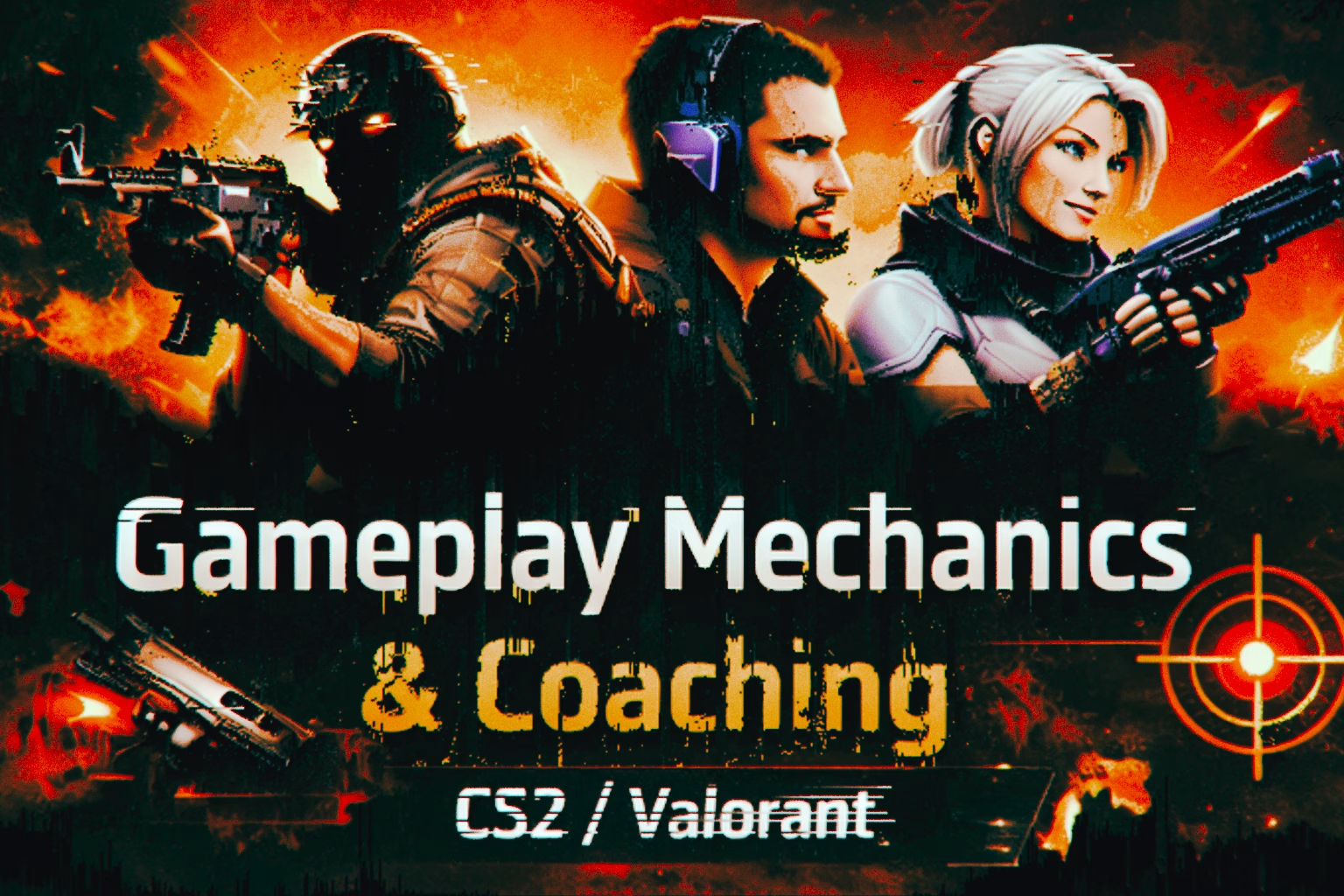
3. Mechanika Gry & Coaching (CS2 / Valorant)
Terminy, które usłyszysz na naszych sesjach coachingowych i analizach dem. Bez ich zrozumienia trudno wbić Faceit Level 10 czy Immortala.
Crosshair Placement (Ustawienie celownika)
Sztuka trzymania celownika w miejscu, gdzie prawdopodobnie pojawi się głowa przeciwnika.
Dobre ustawienie celownika redukuje konieczność „flickowania” (szybkiego ruchu myszką) i drastycznie zwiększa Time-to-Kill (TTK).
Counter-Strafing (Kontrowanie ruchu)
Technika w CS2 polegająca na krótkim naciśnięciu klawisza w przeciwnym kierunku ruchu (np. A, potem szybkie D), aby natychmiast zatrzymać postać i uzyskać 100% celności.
Game Sense (Zmysł gry)
Umiejętność „czytania” gry. Przewidywanie ruchów przeciwnika, rotacji na mapie i zarządzanie ekonomią. To odróżnia gracza z dobrym aimem od gracza kompletnego.
Peekers Advantage
Zjawisko sieciowe, w którym gracz wychylający się (agresor) widzi przeciwnika ułamek sekundy wcześniej niż przeciwnik widzi jego.
Wynika z opóźnień serwera i interpolacji. W coachingu uczymy, jak to wykorzystywać (np. XANTARES peek).
Pre-fire
Strzał w konkretne miejsce zanim zobaczysz przeciwnika, bazując na przewidywaniu (Game Sense) lub informacji od drużyny.
Utility (Granaty)
Wszystkie granaty (Smoke, Flash, Molotov, HE). W UltimateMove uczymy „Line-upów”, czyli ustawień pozwalających rzucać granaty idealnie w punkt z bezpiecznej pozycji.
4. Sprzęt i Ekrany (Gaming Gear)
Refresh Rate (Częstotliwość odświeżania)
Mierzona w Hz (Hercach). Określa, ile razy na sekundę monitor rysuje nowy obraz.
60Hz = Biuro.
144Hz = Minimum do grania.
240Hz/360Hz = Standard e-sportowy.
540Hz+ = Topka światowa (2025/2026).
G-Sync / FreeSync
Technologie synchronizacji obrazu. W teorii usuwają „rwanie” obrazu (tearing).
Ważne: W e-sporcie często wyłączamy te funkcje lub konfigurujemy je w specyficzny sposób (np. z klatkażem zablokowanym poniżej Hz monitora), aby zminimalizować Input Lag.
Motion Blur (Rozmycie w ruchu)
Efekt graficzny, który rozmazuje obraz przy szybkim ruchu.
W grach singlowych: wygląda filmowo.
W e-sporcie: Twój wróg numer 1. Zawsze to wyłączamy, aby widzieć ostro przeciwników w ruchu.
5. Specyficzne pojęcia, które znajdziesz w naszej ofercie.
Optymalizacja Biosu/UEFI
Ręczne dostrajanie ustawień płyty głównej (napięcia, taktowania RAM, wyłączanie stanów oszczędzania energii), których nie da się zmienić z poziomu Windowsa. Fundament stabilnych FPS.
Placebo
Efekt, w którym wydaje Ci się, że gra działa lepiej, bo zainstalowałeś „magiczny program”.
W UltimateMove walczymy z placebo. Używamy narzędzi analitycznych (CapFrameX), aby czarno na białym pokazać poprawę wyników (wykresy Frametimes).
Replay Analysis (Analiza Dem)
Usługa coachingowa polegająca na oglądaniu powtórki Twojego meczu przez trenera, który wytyka błędy w pozycjonowaniu, decyzjach i celowaniu.

6. FAQ – Najczęściej zadawane pytania
Czym różni się Optymalizacja od Formatu? Format to tylko wyczyszczenie danych. Optymalizacja to setki zmian w rejestrze, usługach, sterownikach i Biosie, które zmieniają sposób, w jaki system zarządza grą. Format przywraca system do stanu „biurowego”, my zmieniamy go w system „gamingowy”.
Czy podkręcanie (OC) jest bezpieczne? Tak, jest fabrycznie stosowane przez producentów. Jeśli jest robione przez profesjonalistów również nie powinno stać się nic złego. W UltimateMove stosujemy bezpieczne napięcia i testujemy stabilność (stress testy), abyś nie musiał martwić się o awarię sprzętu.
Co daje mi wysoki FPS, jeśli mam monitor 60Hz? Redukuje Input Lag. Klatka gry jest generowana nowsza, więc informacja o pozycji wroga jest bardziej aktualna. Grając na 300 FPS na monitorze 60Hz masz przewagę nad kimś, kto ma 60 FPS na tym samym monitorze.

Daj znać w komentarzu, co powinniśmy tutaj jeszcze wyjaśnić! 🙂
Nasze darmowe narzędzia
Zbudowane in house. Bez konta, bez limitu.
 Ultimate Demo Analyzer
Wrzucasz demo z CS2, dostajesz rozpisane błędy i statystyki rundy.
Za darmo, bez konta Deadlock Replay Analyzer
To samo dla Deadlocka: analiza powtórki i plan na kolejne mecze.
Za darmo, bez konta Konwerter czułości
Przenosisz cm/360 między grami bez gubienia pamięci mięśniowej.
Za darmo, bez konta Trener celności
Trzydzieści sekund, trzy poziomy. Bez instalacji i bez konta.
Za darmo, bez konta